
Caffeine Effects on Weight Loss: Fall Science Everyone’s Using
Caffeine is one of the most widely consumed substances globally, often celebrated for its energizing effects. However, as the fight against obesity and the quest for weight loss intensify, researchers and health enthusiasts alike are exploring the efficacy of caffeine in the realm of weight management. This article delves deep into the fascinating science behind caffeine’s impact on weight loss, how it enhances metabolism, the role it plays in fat burning, and the potential benefits of incorporating it into a weight-loss strategy. By understanding how caffeine functions within our bodies and leveraging its benefits, individuals can make informed choices on its role in their diets. From boosting energy levels to suppressing appetite, the effects of caffeine may offer a multifaceted approach to achieving weight loss goals. In this comprehensive exploration, we’ll address crucial questions regarding its safety, keto jello gummies effectiveness, and the optimal amount that contributes to weight loss. Join us as we uncover the science limitless performance keto pills of caffeine—an invaluable tool in the wellness toolkit that many are talking about this fall.
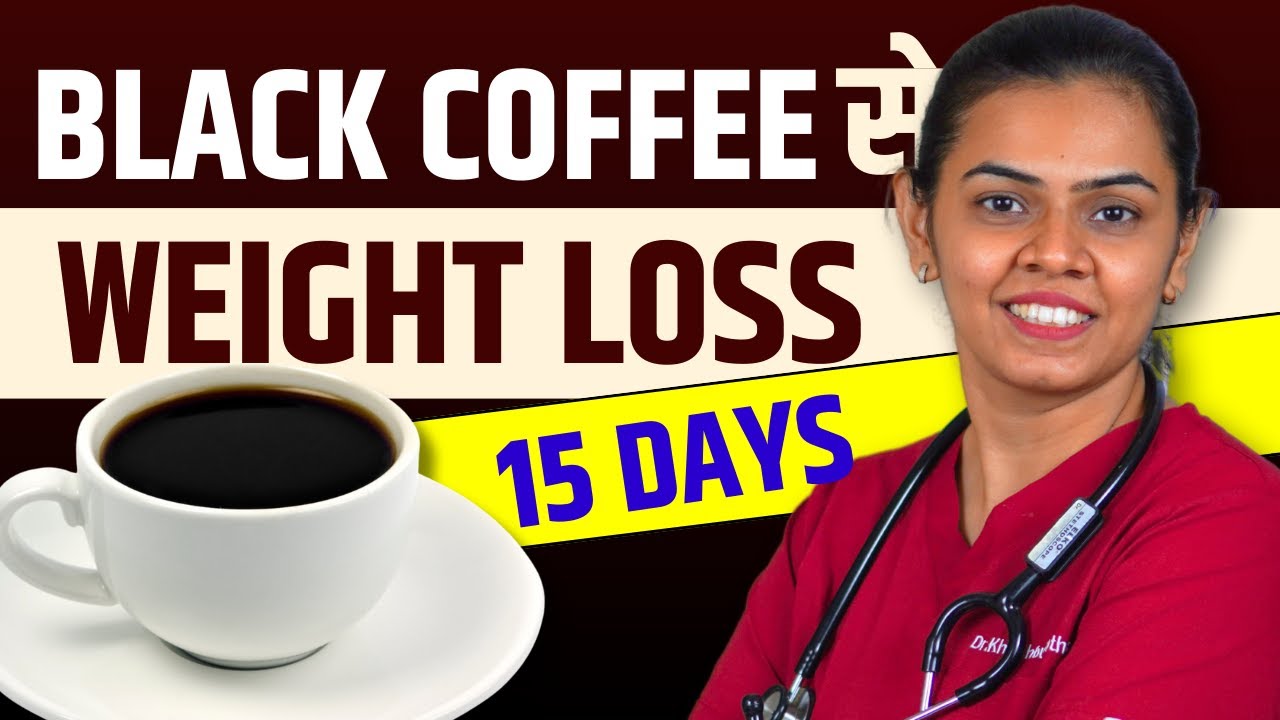
Understanding Caffeine: A Natural Stimulant
What is Caffeine?
Caffeine is a natural stimulant found in various plants, including coffee beans, tea leaves, and cacao pods. It can temporarily increase alertness and reduce the perception of fatigue, making it a popular choice for those seeking an energy boost. As a central nervous system stimulant, caffeine blocks the best time to take keto strong pills inhibitory neurotransmitter adenosine, leading to increased neuronal firing and the release of other neurotransmitters, such as dopamine ace weight loss gummies and norepinephrine. This reaction is not just a simple boost in energy; it triggers a cascade of metabolic responses that can significantly aid weight loss.

The Role of Caffeine in Metabolism
Scientific studies suggest that caffeine can enhance metabolic rates across various populations. The thermogenic effect of caffeine raises the body’s energy expenditure, particularly in the short term. This increased metabolic rate means that your body burns more calories, even at rest. Notably, research pointed out that individuals who consumed caffeine exhibited increased lipolysis—the breakdown of fat for energy. Thus, caffeine doesn’t only speed up metabolism; it also aids flash keto pills reviews in mobilizing fat stores, particularly during physical activity.
How Caffeine Affects Fat Oxidation
Caffeine and Exercise Performance
Caffeine is widely recognized for its performance-enhancing capabilities. Studies have shown that consuming caffeine before exercise increases endurance, allowing individuals to work out harder and longer. Enhanced performance translates directly into a greater calorie burn, which plays a substantial role in weight loss. Caffeine’s ability to reduce perceived effort can encourage individuals to push their boundaries, leading to more effective workouts and superior fat oxidation during physical activities.
The Connection Between Caffeine and Fat Storage
Research indicates that caffeine may influence does gnc carry keto gummies? the way the body stores fat. By enhancing fat utilization during exercise, caffeine helps reduce reliance on glycogen stores, thereby preserving them. Maintaining optimal glycogen levels is particularly important for individuals aiming for extended workouts. Less reliance on glycogen can lead to improved performance metrics and, eventually, weight loss. Additionally, caffeine has been shown to facilitate the release of endocrine hormones that further drive fat oxidation.
Is Caffeine Safe for Weight Loss?
Recommended Dosage and Health Considerations
While caffeine can support weight loss, it’s important to consume it safely. Most studies suggest that a moderate intake of 300-400 mg per day, equivalent to about 3-4 cups of coffee, can yield positive results without adverse effects. However, excessive consumption may lead to side effects such as insomnia, jitteriness, increased heart rate, and digestive issues. It’s crucial for individuals to tailor their caffeine intake to their unique tolerances and underlying health conditions. Those with existing health issues, particularly cardiovascular conditions, should consult with a healthcare professional before significantly increasing their caffeine consumption.
https://youtube.com/watch?v=9-xLXMNdjAs
Addressing Caffeine Withdrawal
It’s essential to consider caffeine dependency and fresh shape keto gummies withdrawal symptoms, which may include irritability, fatigue, greek yogurt weight loss and headaches when intake is reduced. Gradual reduction of caffeine can mitigate these effects. Finding a personal balance and managing caffeine intake responsibly can help maintain its benefits without the drawbacks of dependency and withdrawal.
Integrating Caffeine Into a Weight Loss Strategy
Effective Ways to Consume Caffeine
Caffinated beverages such as coffee and green tea are popular choices among weight watchers due to their additional health benefits. Green tea, in particular, is celebrated for its antioxidant properties and its ability to enhance metabolic rates, making it a formidable ally in the weight loss pursuit. Additionally, caffeine supplements are also available for those who prefer a concentrated dose without fluid intake. However, always ensure to opt for reputable brands to avoid unwanted additives.
Timing and Combination with Diet and Exercise
The timing of caffeine consumption can significantly impact its effectiveness in promoting weight loss. Consuming caffeine approximately 30 to 60 minutes before a workout can enhance performance and fat oxidation. Furthermore, combining caffeine with a balanced diet and an effective exercise regimen will amplify weight loss results. Pairing caffeine with strategy—such as pairing it with aerobic exercise or low-calorie meals—can maximize its benefits.
Summary and FAQs
Key Takeaways on Caffeine and Weight Loss
In conclusion, caffeine can be an effective tool in weight loss due to its ability to enhance metabolism, increase fat oxidation, and improve workout performance. Moderation is crucial, and understanding personal tolerance levels can optimize its benefits. Pairing caffeine intake with a balanced diet and proactive lifestyle choices will yield the best results in best pills for weight loss your weight loss journey. As with any dietary change, individuals should consult healthcare professionals when in doubt or if they plan on incorporating significant amounts of caffeine into their routine.
Frequently Asked Questions
1. How does caffeine specifically aid in weight loss?
Caffeine increases metabolic rates and enhances fat oxidation during exercise, allowing for greater calorie burn.
2. Are there any side effects associated with caffeine?
Yes, excessive caffeine can lead to jitters, insomnia, rapid heart rate, and digestive issues. Moderation is key.
Useful Resources
- ZvJRp2ux Chrissy Metz Before And After Weight Loss The Mindset Shift That Made All The Differenc ZvJRp2ux
- LD6FM0bR Apple Cider Vinegar Daily Drinks For Weight Loss Fall 202 LD6FM0bR
- BPFZQ86x Goli Apple Cider Vinegar Gummies For 2025 Autumn Weight Loss 5 Trusted Brand BPFZQ86x
3. How much caffeine is safe to consume daily?
A moderate intake of 300-400 mg, roughly 3-4 cups of keto acv gummies advanced weight loss coffee, is generally considered safe for most individuals.
4. Can caffeine impact workout effectiveness?
Yes, caffeine can enhance endurance and decrease perceived exertion, what is the best keto gummies to lose weight? allowing for more effective workouts.
5. Is it better to consume caffeine before or after workouts?
Consuming caffeine 30-60 minutes before exercise is often recommended to maximize its performance-enhancing effects.
“`